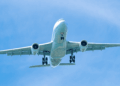




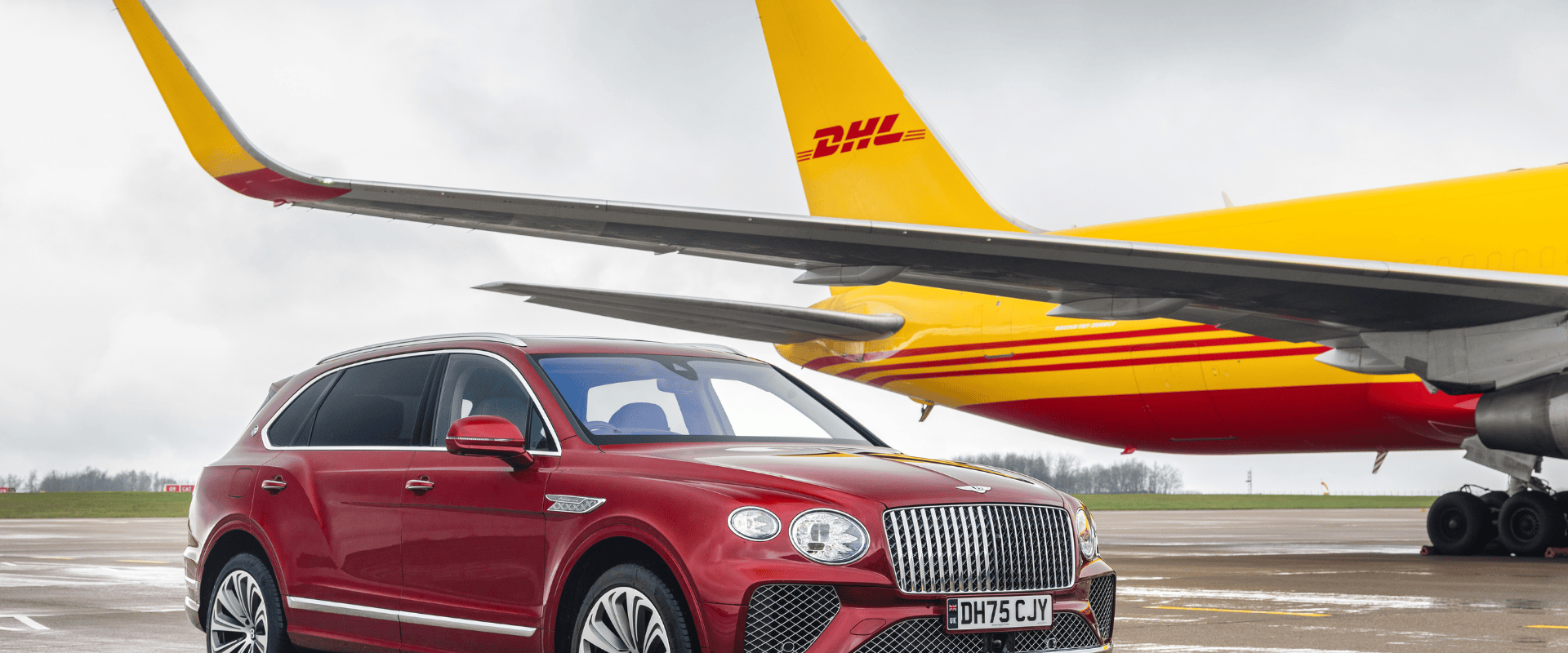
Bentley Motors has confirmed that it is now utilising Sustainable Aviation Fuel (SAF) for all global customer car airfreight shipments, marking an immediate change to the way it manages essential air logistics. The decision forms part of the company’s broader efforts to decarbonise its worldwide logistics operations, reducing emissions linked to air transport while continuing to meet customer expectations for service and delivery.
Within Bentley’s international logistics framework, airfreight remains tightly managed and is reserved for situations driven by specific customer requests, urgent timelines or particular market needs. While such movements are limited, the higher emissions profile of air transport compared with sea freight has made it a priority area for improvement. The adoption of certified SAF is intended to meaningfully lower the environmental impact of those flights that cannot be avoided.
“Our transition to using certified Sustainable Aviation Fuel across all customer car airfreight movements reflects how we are taking measurable, evidence-based steps to reduce emissions in the parts of our logistics network where flights remain necessary. SAF can deliver significant, independently verified reductions in life cycle CO₂e emissions compared with conventional jet fuel, and this makes it a meaningful lever within our wider decarbonisation strategy.
This initiative forms part of Bentley’s broader programme to reduce operational and value chain emissions in line with our long-term Net Zero ambition. By integrating SAF into our logistics operations in this transparent and verifiable way, we’re strengthening the foundations needed to deliver our long-term climate goals, while supporting our customers and markets with more responsible distribution practices.”
Aimee Kelly, Head of Sustainability at Bentley Motors.
Sustainable Aviation Fuel, which is certified under the ISCC framework, offers an alternative to traditional jet fuel and is derived from renewable or waste-based feedstocks. It is compatible with existing aircraft and airport systems, requiring no technical modifications. Depending on the source materials and production pathway, lifecycle CO₂e emissions can be reduced by as much as 70 to 95 per cent compared with conventional aviation fuel.
The manufacturer has already begun transporting customer vehicles using SAF within its airfreight operations, reporting notable well-to-wheel CO₂e savings when measured against standard jet fuel usage. The current commitment covers all customer car airfreight, with initial assessments also taking place to evaluate how SAF could be introduced across additional air logistics routes where required.
The move represents further progress in lowering emissions across the company’s end-to-end supply chain and aligns with the objectives of its Beyond100+ strategy. Through Beyond100+, Bentley is embedding sustainability at the heart of its operations, reshaping the business to lead in sustainable luxury mobility while balancing environmental responsibility with innovation and long-term resilience.
To meet companies shaping the future of responsible air transport and logistics, contact us today about our MTB Aviation events.