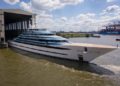






Japan’s efforts to strengthen and expand its domestic shipbuilding industry are moving into a new phase, with Namura Shipbuilding progressing plans to develop a major new construction dock. The project would represent the first large-scale shipbuilding dock built in the country for almost a decade, highlighting renewed investment in an industry that has seen Japan’s global market position decline over recent decades.
The development follows the completion of Imabari Shipbuilding’s 610-metre dock at Marugame in 2017 and comes amid a wider government-backed strategy to revitalise Japan’s shipbuilding capabilities. Prime Minister Sanae Takaichi has positioned the sector as a key part of her industrial growth agenda, with the government looking to increase domestic capacity and reinforce the industry’s long-term strategic importance.
Tokyo has set an objective of doubling Japan’s annual shipbuilding capacity to 18 million gross tonnes by 2035. Around ¥1 trillion ($6.8 billion) in combined public and private investment is anticipated over the next decade, supporting a range of improvements including expanded dock facilities, new cranes, automation, robotics and other technologies designed to improve productivity.
Shipbuilding has also been named among 17 strategic growth sectors identified by Takaichi, with increased investment viewed as important to both economic growth and economic security. Alongside investment in individual facilities, the government is encouraging the development of regional shipbuilding clusters, with new infrastructure forming part of the wider approach.
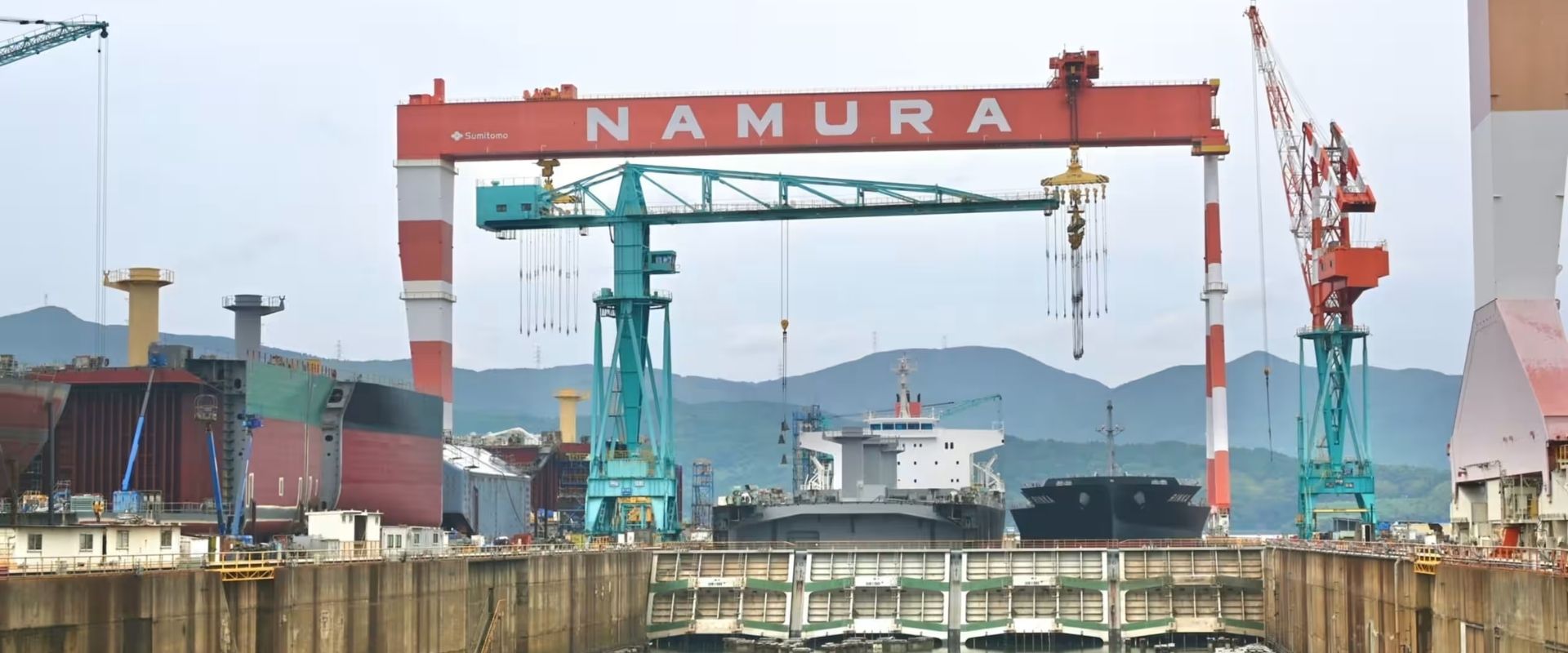
Namura’s plans build on continuing investment at its main Imari shipyard in Saga Prefecture. The facility already operates a 450-metre by 70-metre construction dock using a semi-tandem building system, and the company has been working to strengthen its ability to construct larger and more technically demanding vessels.
Earlier this year, the shipbuilder also launched a further programme of upgrades at Imari focused on improving the efficiency of building zero-emission and environmentally friendly ships. Supported by government funding, the programme is scheduled to continue through fiscal 2028 and is expected to increase the yard’s production capacity by approximately 20%.
Japan was once the dominant force in global shipbuilding, particularly throughout the latter half of the 20th century, before competition from South Korea and subsequently China saw its market share diminish. The latest wave of investment signals one of the country’s most significant efforts in recent years to rebuild capacity, with shipbuilding increasingly being recognised in Tokyo as strategically important national infrastructure as well as a major manufacturing sector.
Interested in meeting the companies and decision-makers shaping the future of global shipbuilding? Contact us today to find out more about joining MTB Shipyards.