








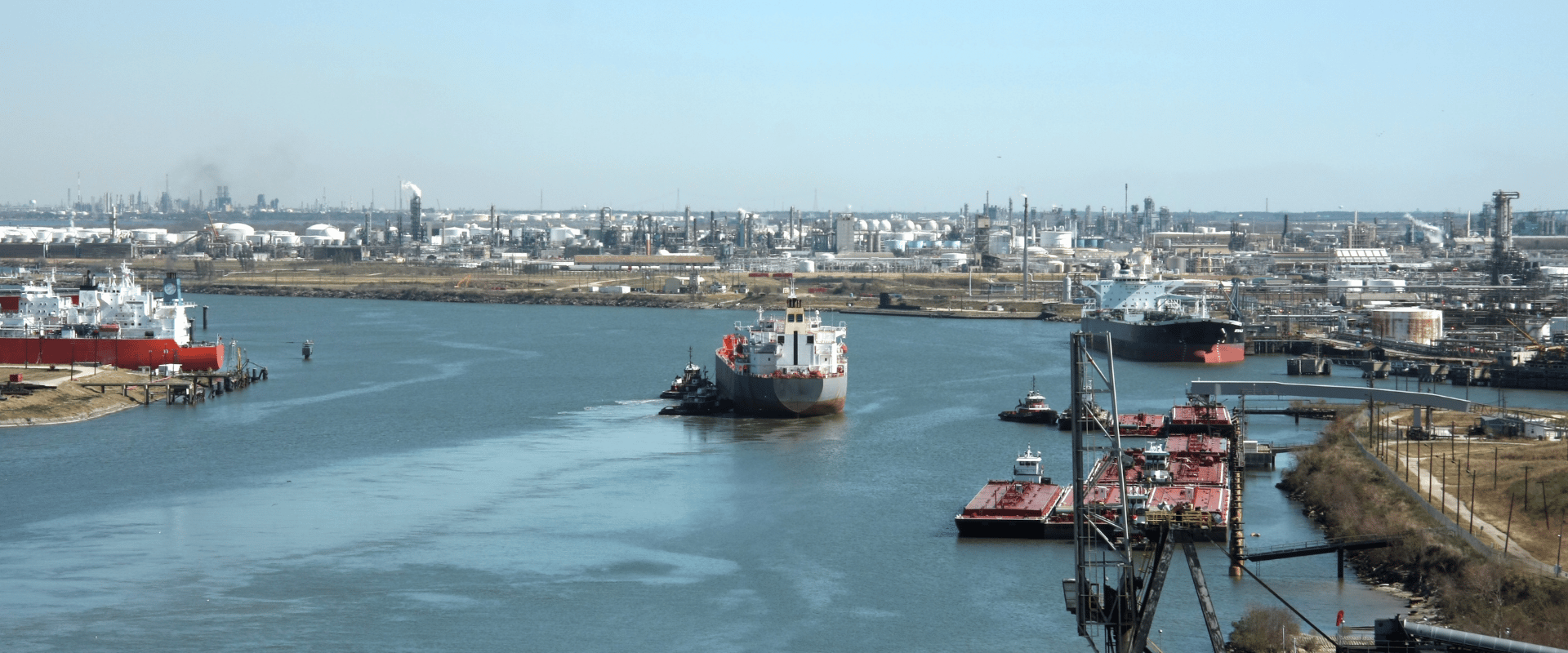
Port Houston has reported strong growth in cargo movement during the first quarter of 2026, with total waterborne tonnage reaching 65 million short tonnes, representing a 12% increase compared with the same period last year. The rise was largely attributed to export activity, which climbed 19% year-on-year to nearly 54 million short tonnes, while imports declined by 12%.
“Houston continues to be a leader for energy exports. At our port complex overall, exports of petroleum gases are up 33%, refined products are up 24%, and crude oil is up 19% through the first quarter of this year.”
– Charlie Jenkins, CEO of Port Houston.
The Houston port complex, which includes more than 200 private terminals alongside Port Houston’s eight public facilities, continues to experience growing traffic along the Houston Ship Channel. Vessel activity increased steadily through the opening months of the year, with more than 2,000 vessel arrivals recorded during the first quarter, marking a 5% increase compared with 2025. Activity accelerated further in April, when ship calls rose by 6% year-on-year. Combined vessel traffic in March and April reached its highest levels since 2019.
Despite the strong performance in overall cargo movement, container volumes at Port Houston eased slightly in April following a robust start to the year. The port handled 353,319 TEUs during the month, down 9% from April 2025. However, year-to-date figures through April remained only marginally below last year’s record-setting pace, declining by just 1%.
“We’re seeing an increase in vessels, plus today’s vessels are larger and carrying more cargo. Tonnage in Houston is up nearly 27% since 2019. The expansion we have completed of the Galveston Bay Reach portion of the Houston Ship Channel is providing benefits and helping move more cargo through Houston and to global markets.”
– Charlie Jenkins, CEO of Port Houston.
Industry observers noted that shipping patterns continue to be influenced by transportation costs, inventory management and broader global market uncertainty. Import and export cargo timings have also fluctuated as businesses adjust sourcing strategies. During April, loaded imports fell by 8% compared with the same month last year, while loaded exports declined by 5%. On a cumulative basis for the year so far, however, both import and export volumes have remained broadly stable. Port Houston officials indicated that container activity had already begun recovering by mid-May and maintained a positive long-term outlook for containerised trade through Houston.
Port Houston’s multipurpose facilities delivered particularly strong results during April, with general cargo volumes increasing by 27% for the month and 52% year-to-date. The gains were primarily driven by higher shipments of machinery and bagged cargo. Dry bulk cargo also posted growth, reaching 518,136 short tonnes in April, up 3% compared with the previous year and 44% higher year-to-date.
Steel cargo volumes, however, continued to face pressure, declining by 30% in April and by 28% across the year to date, although forecasts point to improved steel activity in May. Across Port Houston’s eight public facilities, total tonnage for April reached 4,659,019 short tonnes, representing a 5% decrease year-on-year. Even so, cumulative tonnage through the first four months of 2026 remained ahead of last year’s levels, rising 3% to 18,556,499 short tonnes.
As cargo volumes and global trade continue to evolve, the 2027 MTB Ports & Terminals event will bring together the companies shaping the future of the industry – contact us today to find out more.